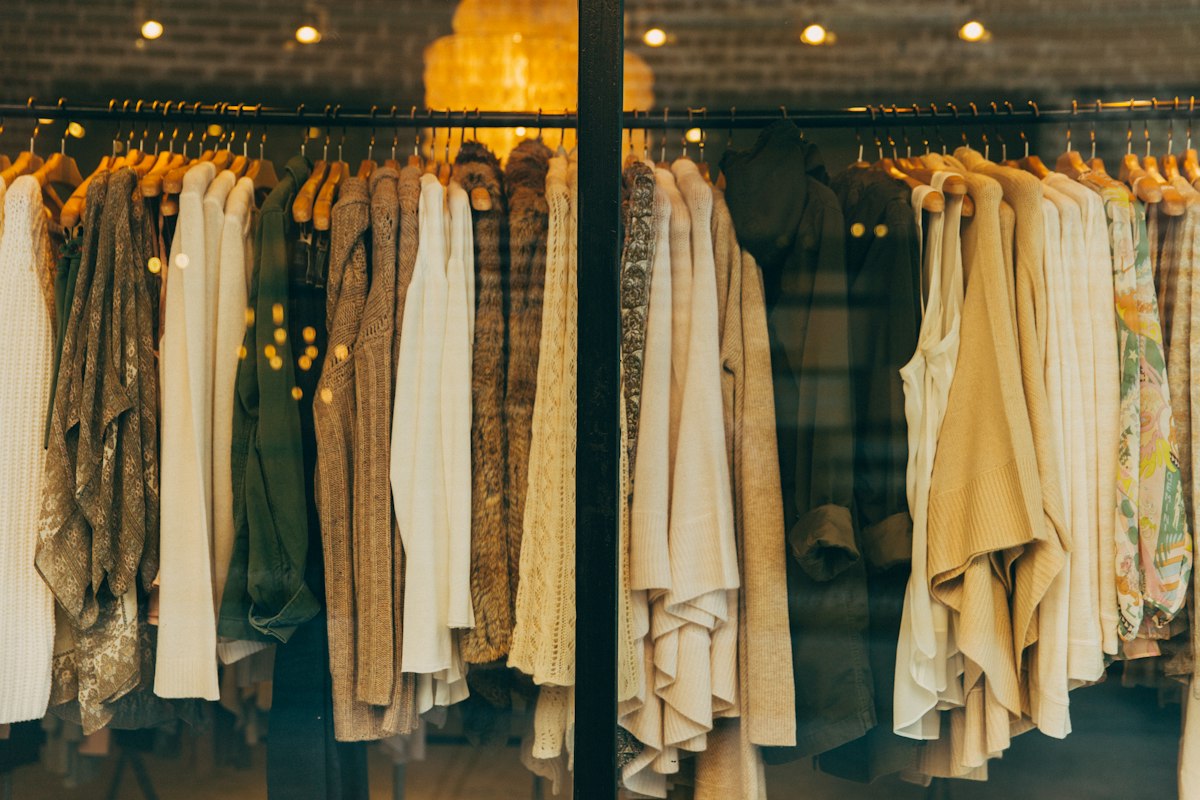
Italy is fashion. While France may lay claim to haute couture and the concept of the fashion house, Italy has an equally compelling — and in many ways more commercially dominant — claim to the centre of the global luxury fashion world. From the leather ateliers of Florence to the fashion houses of Milan, from the textile mills of Como to the shoemakers of Naples, Italy’s contribution to fashion is woven into the very fabric of the industry. This is the story of why Italian fashion houses continue to define luxury style worldwide.
The Italian Fashion Tradition
Italian craftsmanship has deep historical roots. The guilds of medieval Florence produced leather goods, textiles, and garments of extraordinary quality. The tradition of apprenticeship — learning a craft from a master over many years — created a culture of excellence that persists in Italian manufacturing today. Italy’s fashion industry did not emerge from nowhere in the 20th century; it grew from centuries of accumulated expertise in working with leather, silk, wool, and the other finest materials.
Milan established itself as the capital of Italian fashion in the 1970s, when designers like Giorgio Armani, Gianni Versace, and Gianfranco Ferré began showing their collections to international press and buyers, offering a compelling alternative to the dominance of Paris. The concept of “Italian style” — elegant but relaxed, luxurious but wearable, technically impeccable but never fussy — struck a global chord.
The Iconic Italian Houses
Gucci — The House That Reinvented Itself
Founded in Florence in 1921 as a luggage maker, Gucci has undergone more transformations than perhaps any other luxury house and emerged stronger from each one. The interlocking GG monogram, the horsebit loafer, the bamboo-handled bag — these are among fashion’s most iconic design codes. Under Alessandro Michele, Gucci embraced a maximalist, historically eclectic aesthetic that attracted a new generation. The house is now charting a new direction under Sabato De Sarno, whose cleaner, more minimal approach is repositioning the brand for the next era.
Prada — Intellectual Luxury
Miuccia Prada has built one of fashion’s most intellectually sophisticated brands. Prada is a house that asks questions — about femininity, about beauty standards, about the relationship between art and commerce. The signature Prada triangle logo, the nylon Pocono fabric used in the original backpack, and the concept of “ugly chic” (deliberately unflattering, thought-provoking designs that nonetheless become bestsellers) are all Miuccia’s contributions to fashion vocabulary. The Prada woman is not following trends — she is making them.
Versace — Maximalist Glamour
Gianni Versace created one of fashion’s most distinctive visual languages — bold prints, rich jewel tones, the Medusa head motif, and an unapologetic celebration of sensuality and glamour. His assassination in 1997 was a genuine tragedy, and the house has been guided by his sister Donatella ever since with considerable success. Versace fashion is not subtle. It is designed for maximum impact and communicates a specific kind of confident, opulent femininity with extraordinary effectiveness.
Bottega Veneta — The Power of Anonymity
Bottega Veneta’s philosophy — “When your own initials are enough” — distinguishes it from logo-driven luxury. The intrecciato leather weave is the only branding the house needs. Under Daniel Lee and now Matthieu Blazy, Bottega has become the definitive choice for those who want to participate in luxury without broadcasting it. The Pouch, the Cassette, and the woven leather shoes are among fashion’s most quietly desirable objects.
Fendi — Roman Elegance and Fur Heritage
Founded in Rome in 1925, Fendi is the house most associated with extraordinary fur craftsmanship and the iconic baguette bag. Karl Lagerfeld’s 54-year creative partnership with the house produced some of fashion’s most memorable designs. Today, under Kim Jones for womenswear and Silvia Venturini Fendi for accessories and menswear, Fendi continues to produce beautifully crafted pieces with a distinctly Roman elegance.
What Makes Italian Fashion Different
Several qualities distinguish Italian fashion from its French counterpart. Italian fashion is generally more wearable — it is produced with the body in mind, with a focus on how garments feel as well as how they look. Italian tailoring, particularly from Naples, is among the finest in the world, producing suits of extraordinary elegance that feel alive on the body. And Italian leather goods — shoes, bags, belts, and accessories — represent the apex of the craft.
Italian fashion also benefits from an extraordinary manufacturing ecosystem. The Prato textile district in Tuscany produces premium woollen fabrics. Como in Lombardy is the world capital of silk production. The Brenta Riviera near Venice has been producing luxury footwear for over a century. This concentration of specialist manufacturing expertise is what allows Italian brands to offer quality that no other country can fully replicate.
Italian Fashion Today
In 2025, Italian fashion houses continue to dominate global luxury retail. Kering and LVMH — the two conglomerates that own most of the world’s luxury brands — have invested heavily in their Italian houses, recognising that the combination of heritage, craftsmanship, and contemporary creative direction that these brands offer is without parallel in the global marketplace.
The Italian fashion calendar remains one of the most important in the world. Milan Fashion Week attracts buyers, press, and cultural figures from every corner of the globe, and the shows presented there consistently set the agenda for global fashion seasons in advance.
Conclusion
Italy’s supremacy in luxury fashion is not accidental — it is the product of centuries of craft tradition, extraordinary manufacturing expertise, and the specific Italian sensibility that understands beauty, quality, and the good life as fundamental human needs. Whether you own a single pair of Italian leather shoes or an entire wardrobe from Milan’s finest houses, you are participating in a tradition of excellence that is genuinely without equal in the world of fashion.
About the Author